Table Of Content
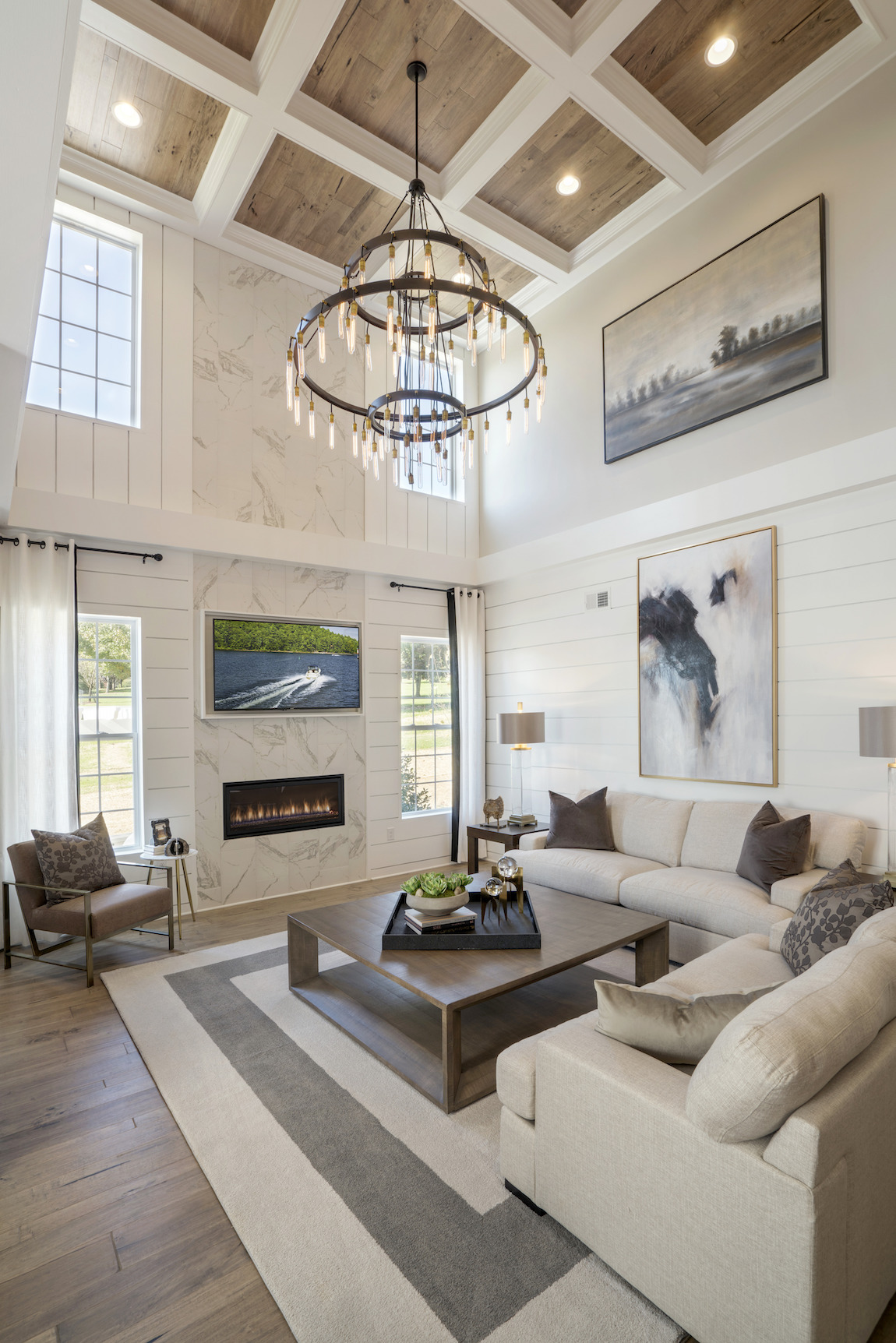
An effortless blend of vintage decor and contemporary is a hallmark of transitional living room style. For the living room, that could be an antique rug with a 1960s sideboard and modern art on the walls. Or perhaps a traditional couch upholstered in a contemporary striped fabric with a mix of patterned cushions. Above all else, these easy-on-the-eye living rooms are elegant, comfortable, and classic. This makes it a go-to style mantra whether it’s a busy family household or an apartment for one. For your kitchen, think a playful mix of vintage, antique, and contemporary dishes and appliances grounded by cabinetry boasting clean handsome lines and calming colors paired against classic flooring.
Combine Sleek and Rustic Materials
Celebrating 25 years designing interiors, we tell each property’s story through alluring, artful décor. Each of these features plays a pivotal role in achieving the understated elegance of Transitional design, ensuring spaces that are both welcoming and refined, blending the best of the past and the present. Luxurious materials in a straight-hanging format, such as Roman shades or understated draperies, provide privacy and light control while complementing the room’s sophisticated aesthetic. Mirrors, glass, and shiny metals are frequently used to reflect light and create a sense of depth and openness. These reflective surfaces add a layer of sophistication and a modern touch to the rooms. The decorative objects are usually made of glass, metal, or wood, and are chosen to complement the furniture and add a cohesive look to the room.
See the 10 Trendiest Architectural and Interior Design Styles of 2023 - Architectural Digest
See the 10 Trendiest Architectural and Interior Design Styles of 2023.
Posted: Mon, 11 Dec 2023 08:00:00 GMT [source]
Choose Decor That Means Something to You
Textural variety, subtle patterns, and minimalist accessories work in concert to create a rich sensory experience that is visually pleasing and tactilely inviting. The strategic use of lighting, mixed metals, and color accents further enhances the beauty and functionality of these spaces. The Transitional style often features a mix of straight and curved lines, creating a balance that is neither too sharp nor too ornate. This blend of shapes helps to soften the overall look and adds a dynamic flow to the space. Varied textures add depth and tactile interest to the understated color palette of a Transitional space. Fabrics like leather, suede, chenille, and velvet are often juxtaposed to create a layered look that invites touch and adds warmth.
Sophisticated Lighting
This might include pairing a classic, upholstered sofa with a sleek, contemporary coffee table. Transitional spaces often feature a neutral color palette, with shades of beige, gray, and white. These colors create a calm and relaxed atmosphere and serve as a backdrop for other design elements. In Transitional design, furniture lines are often straight with rounded profiles, combining the ornate and intricate details of traditional furniture with the clean lines of contemporary design. This can be seen in the choice of sofas and armchairs that feature plush, comfortable upholstery with sleek, understated frames.
Pick Pieces with Clean Lines
This design approach is renowned for its use of a neutral color palette, ranging from the soft tones of ivory to the deeper shades of taupe. This style, standing at the crossroads of the past and the future, offers a unique solution for those who seek to balance the classic with the contemporary in their living spaces. For transitional interiors, you must select accessories that create visual interest, tell your story, and fit your lifestyle. Of course, you can never go wrong with layering in some metallic pieces. A statement light fixture, side table, or a piece of sculptural art give the room a sophisticated, glam feel.
How to recreate the iconic Nancy Meyers aesthetic in your home - Homes & Gardens
How to recreate the iconic Nancy Meyers aesthetic in your home .
Posted: Mon, 01 Apr 2024 07:00:00 GMT [source]
They rely on soft lines and curves to make a statement instead of extra embellishments. Unexpected touches like lacquered finishes or graphic fabrics make them feel fresh and modern. Whether creating a transitional lounge, nursery, or another space, frame the windows with curtains. They imbue rooms with class and their natural tones soften modern pieces.
Start with a neutral scheme
“You have the freedom to incorporate pieces from different design periods as well as your personal art collection to create an interior design that’s truly unique to you,” Umansky says. Traditional style and transitional style are both popular interior design styles, but they have some key differences. The transitional design style is a blend of classic and contemporary, using neutral tones and simple lines as a canvas for pops of colour. This style is right for you if you want to live in a calm and soothing space yet still feels uniquely yours.
Characteristics Of Traditional Style
In terms of furniture style you can go with all modern or traditional seating. For example having a traditional style sofa paired with two modern accent chairs for the living room. The transitional design elements like baseboards, accent walls, and wall paneling are all rooted in the same neutral tones that keep the overall look soothing. It’s called transitional because it is often used for homeowners who transition between two different styles. It’s also an excellent choice if you feel you want to change your interior design style as time goes by. Transitional interior design bridges the gap between traditional and modern without feeling too stuffy or stark.
Ways to Add Transitional Interior Design Style to your Home
It allows often overlooked design components, like clean lines, to shine instead. In essence, transitional home decor is the combination of various design styles brought together simultaneously to create a cohesive design in one room. If transitional style is a mix of anything and everything, how are you supposed to choose what to include in your space?

In your own home, this means decorating this important communal space with a balance of styles that you adore. Here the canopy and window drapes echo off each other for balance while a tight colorway of blues, mint, and cream keep everything grounded and soothing. If your taste is eclectic and feels like a mashup of multiple design styles, leaning into transitional design could be a perfect fit for you.
Learn how to embrace transitional home style with sophistication and purpose. You love bedroom designs with a chic feel and loads of character, and you want your living room to have the best of boho, industrial, cottage-core, and mid-century-mod. A swing-arm sconce may seem out of place in a room with a plush white couch, but in transitional design, opposites really do attract.
Then you’re free to mix the modern or traditional decor pieces around the seating area as you like. Contrasting big pieces like the seating and the rug, the foundation for a transitional interior design style is already established. The transitional interior decor combines modern, traditional, and casual furniture. Angular furniture alignments like L-shaped sectional areas and round dining tables and chairs perfectly define the transitional glam décor. Feel free to use a midcentury-inspired chandelier to illuminate your space when adding pops of colors or silver finished pieces to that area.
Thomas Pheasant does a stunning job of creating simple, elegant transitional interiors. We love the way he makes traditional elements like ceiling designs and millwork feel fresh by painting them white. He combines curved and straight lines to create beautiful lines of symmetry that gently move your eye around the room. Much like the transitional home decorating style, transitional furniture is also a mix of two different design styles. Hence, large furniture pieces of the traditional era get a makeover to become more streamlined and sophisticated to match the sleek status of the emerging trend. The biggest difference between traditional style and transitional is that transitional interior design refers to interiors that have both contemporary and traditional features.



No comments:
Post a Comment